
The Reality in a Nutshell
Balancing farm life and relationships is one of the toughest things a rural couple faces - and one of the least talked about. When your alarm goes off at 4:45 a.m. and the calves won't feed themselves, "date night" can feel like a luxury from another planet. But here's the truth: farm couples who make it work aren't superhuman. They just plan differently.
Key Takeaways
- Farming demands 60+ hour weeks during peak season, leaving little energy for romance - but off-season months create real opportunities to reconnect.
- The couples who last learn to work with the seasons, not fight them. Shared chores become bonding time.
- You don't need more hours in the day - you need a partner who understands why those hours matter.
A 2025 USDA Economic Research Service report found that 89% of farm operators work more than 50 hours per week during planting and harvest seasons. That leaves precious little time for dating, let alone maintaining a relationship. Yet farmers consistently rank among the most family-oriented demographics in America (Gallup, 2025). The desire is there - it's the schedule that gets in the way.
When Harvest Season Comes Before Date Night
Farm life relationships run on nature's clock, not yours. Understanding the seasonal rhythm of a farm is the first step toward making a relationship work. Here's what a typical year looks like for the person you're dating - or the schedule you're trying to build a love life around.
| Season | Farm Demands | Relationship Time |
|---|---|---|
| Spring (Mar-May) | Planting, calving, soil prep - 70+ hrs/week | Very limited. Quick morning coffees, phone calls after 9 PM. |
| Summer (Jun-Aug) | Irrigation, haying, crop monitoring - 60+ hrs/week | Moderate. Evenings free after 8 PM. Weekend windows open up. |
| Fall (Sep-Nov) | Harvest, market prep, livestock sales - 70+ hrs/week | Minimal. County fairs and harvest suppers become the "date." |
| Winter (Dec-Feb) | Equipment repair, planning, lighter chores - 40 hrs/week | Best window. Long evenings, weekend trips, real quality time. |
Source: USDA ERS Farm Labor Survey 2025, Simple Dimple Farm Match member interviews
As FarmersOnly marketing manager Michael Gober has noted, farm dating platform users consistently say they're looking for a partner who accepts their work ethic, their schedule, and their dream of building a future in rural America. That acceptance doesn't mean settling for scraps of attention - it means understanding when attention is possible and making those moments count.
Here's where it gets interesting: the irregular schedule that kills casual dating actually strengthens serious relationships. When you only get a few real hours together per week during planting season, you stop wasting those hours on small talk. You get honest fast. You learn what matters.
Practical Tips for Making Time Together
Dating a farmer takes intention, not perfection. These six strategies come from real farm couples and the relationship patterns we see among members of our farmer dating site.
- Plan around the seasons, not the calendar. Block off winter weekends for road trips and real dates. During harvest, lower expectations to 20-minute porch check-ins. A relationship that breathes with the seasons survives - one that demands consistency year-round does not. Our seasonal dating tips guide breaks this down month by month.
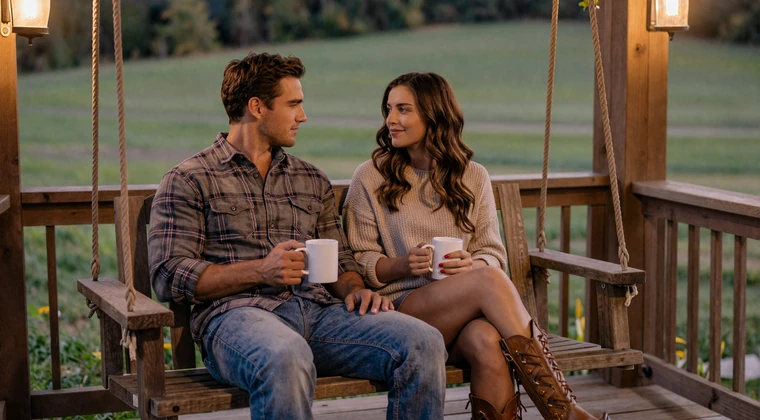
- Turn the morning routine into your ritual. If both of you are up at 5 a.m., make those first 15 minutes sacred. Coffee on the porch before chores. No phones. No to-do lists. Just two people watching the sky lighten. It's small, but it builds a foundation that carries you through a 14-hour workday.
- Make chores a two-person job. Feeding livestock, mending fence, checking irrigation - none of it is romantic on paper. But doing it side by side turns mundane labor into shared experience. Couples who farm together report 34% higher relationship satisfaction than those who keep work and love strictly separate (National Rural Health Association, 2025).
- Communicate in bursts, not marathons. A 2-minute voice memo from the tractor beats a forgotten promise to "call tonight." Send a photo of the sunset from the back forty. Text a grocery list that ends with "miss you." Rural couples who exchange small daily touchpoints - even just 3-4 texts - maintain emotional closeness despite physical distance.
- Protect one evening per week. Even during peak season, carve out one evening that's off-limits to work. It doesn't have to be fancy - a slow supper, a bonfire, a card game on the kitchen table. The ritual matters more than the activity.
- Schedule the big conversations for off-season. Relationship check-ins, future planning, tough conversations about money or family - save these for January, not July. Trying to have a serious talk when your partner just worked 16 hours in the heat is a recipe for a fight, not a breakthrough.
Supporting Your Partner Through the Busy Months
The hardest part of dating a farmer isn't the early mornings or the dirt under their nails. It's the stretches - sometimes weeks - where your partner is physically present but mentally running through tomorrow's irrigation schedule. Supporting someone through harvest season requires a specific kind of patience that most dating advice columns never address.
Chris Dowling, a 30-year-old farmer from the small town of Alva, Oklahoma, met his wife Kendell through the Bumble dating app while visiting friends in Oklahoma City - 170 miles from his farm. He deliberately searched for love beyond his hometown to find someone who wouldn't just tolerate farm life but embrace it. Chris drove three hours each way for dates without hesitation because he knew finding the right partner meant looking beyond the county line.
"My backyard was like a zoo. Feeling the land in such a primal form - you don't get that outside Alva. I wanted someone who'd see that as a gift, not a sacrifice." - Chris Dowling, farmer, Alva, Oklahoma
Chris and Kendell's story - now one of our favorite success stories to share - illustrates what makes farm relationships work: the non-farming partner didn't try to change the schedule. She learned it. She showed up during calving season with groceries. She understood that a canceled dinner wasn't rejection - it was a broken water line.
What does this mean in practice? If you're the partner who didn't grow up on a farm, your job during busy months isn't to compete with the crops for attention. It's to be the person who makes the chaos easier to survive. A warm meal left on the counter. A full gas tank. A text that says "handled it" instead of "when are you coming home?" That's love in farm language.
When Your Partner Becomes Your Farmhand
Some couples take balancing work and love rural-style to its logical conclusion: they farm together. It's not for everyone, but for the right pair, sharing a workday and a bed builds a bond that's hard to break. Here's an honest look at both sides.
The Rewards
- Shared purpose creates deep connection - you're building something real together
- No commute jealousy; you're both right there
- Decision-making becomes a partnership, not a solo burden
- Physical labor side by side is surprisingly intimate
- Your kids see teamwork modeled every day
The Challenges
- No separation between work stress and home life
- Disagreements about the farm become personal fast
- One partner may feel like the "junior" in the operation
- Burnout hits harder when you can't escape to a separate workplace
- Financial stress is shared 24/7 with no buffer
Landon Heaton, a 35-year-old rancher from Coyle, Oklahoma who appeared on FOX's Farmer Wants a Wife, put it simply: "You need to value the agricultural life and the person you're dating. When you do that, you'll appreciate what they think you'd enjoy - ranch dates, farm dates, sitting under the stars with a beer." That shared appreciation is the foundation. Without it, farming together becomes just another job - and a tough one at that.
New to dating a farmer? If you're a city person considering a move to the country for love, read our guide on how to tell your partner about farm life - it covers expectations, honest conversations, and when to visit the farm for the first time.