
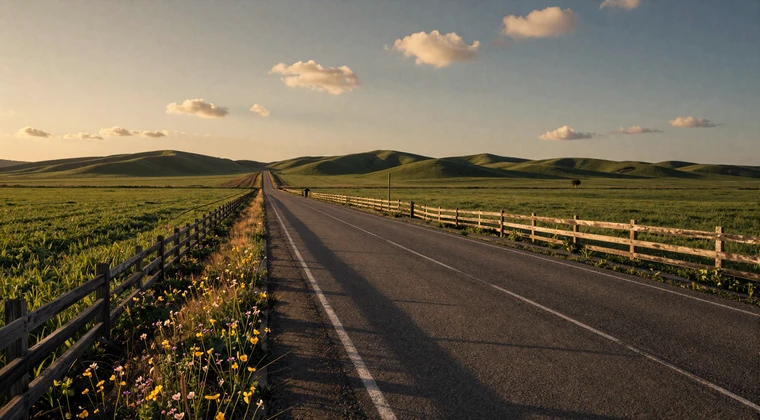
Long distance rural dating is the reality for most farm singles in America. When the nearest potential match lives 100 miles away - and the nearest town with a restaurant is 45 minutes in the other direction - the rules of modern dating don't quite apply. There's no "grabbing coffee after work." There's driving three hours, hoping the chemistry is real, and praying the cows don't break through the fence while you're gone.
According to demographer Kenneth Johnson at the University of New Hampshire, rural farming counties across the Midwest and Great Plains have lost roughly 40% of their young adults (ages 20-29) each decade since the 1950s. That shrinking pool makes long distance dating less of a choice and more of a necessity for farmers looking for genuine connection on a farmer dating site.
TL;DR
Long distance dating is normal for farmers - most are willing to drive 100-200 miles for the right person. Success comes down to honest communication, planning visits around farm seasons, and using tools like video calls to bridge the gap between in-person dates.
The Real Challenges of Long-Distance Farm Dating
Long distance relationships are hard for anyone. For farmers and ranchers, they come with a unique set of obstacles that mainstream dating advice never addresses. The distance isn't just inconvenient - it collides with a lifestyle built around animals, land, and unpredictable weather.
- You can't leave livestock unattended. Cattle don't care that you have a date. Someone needs to be there for feeding, checking fences, and handling emergencies. Finding a reliable neighbor or hired hand to cover for you takes planning - and isn't always possible.
- Harvest season is a blackout zone. During planting (March-May) and harvest (September-November), 14-hour days are standard. Dating drops to near zero. If your partner doesn't understand that, the relationship won't survive its first crop season.
- Fuel costs add up fast. A 200-mile round trip every weekend at 2026 diesel prices isn't cheap. For farmers already managing tight margins, that's a real budget item - not a minor expense.
- Cell service is unreliable. Plenty of farm country still has dead zones. Dropped calls, failed texts, and no internet access during the day make spontaneous communication difficult. You might go eight hours without being able to respond to a message.
- Fatigue is real. After waking at 5 a.m. and working physically all day, a three-hour drive for dinner takes serious commitment. As Oklahoma rancher Landon Heaton put it: "Why would I go to bars when I need to be up at six to check calves?"
"The distance was hard, but what was harder was explaining to city friends why I couldn't just hop in the car any Friday night. My cattle don't take weekends off." - Jake R., cattle rancher, Montana
Staying Connected When You Can't Be Together
The couples who make long distance farm dating work share one thing in common: they build communication habits that fit the farming lifestyle instead of fighting against it. Forget the mainstream advice about "scheduling nightly FaceTime calls." Here's what actually works when one or both of you are on a farm.
Practical Communication Strategies
- Voice messages over texts. When your hands are covered in dirt or you're driving a tractor, typing isn't an option. Voice messages let you share your day - "Just moved the herd to the north pasture, it's gorgeous out here" - without needing to stop working.
- Morning check-ins. A quick "good morning" text at 5:30 a.m. takes ten seconds and sets the tone for the day. Farmers are up early anyway. Make it a ritual.
- Video calls after evening chores. The 8-9 p.m. window, after animals are fed and you've showered, is prime time. Keep calls to 20-30 minutes on weeknights - neither of you has energy for an hour-long session after a physical day.
- Share your schedule honestly. "I'm going to be basically unreachable during calving season" is better than going quiet and leaving someone guessing. Transparency about your farm calendar prevents misunderstandings. Our guide on seasonal dating tips for farmers breaks this down by season.
- Send photos of your day. A sunset from the field, a new calf, your dog asleep on the porch. These small moments build intimacy across the miles and help a partner - especially one from the city - understand your world.
Did you know? According to a 2025 survey by the Dating Coach Association, 67% of couples in long-distance relationships who exchanged daily voice or video messages reported higher satisfaction than those who relied on texting alone. For farmers with limited typing time, audio is your best friend.
Planning Visits Around the Farm Calendar
When your partner lives in another county - or another state - every visit requires planning. The farm calendar dictates when travel is realistic and when it's flat-out impossible. Understanding this rhythm is what separates couples who last from those who don't.
| Season | Availability | Visit Strategy |
|---|---|---|
| Winter (Dec-Feb) | Best - fewer field demands | Plan longer stays, meet each other's families, explore the area together |
| Spring (Mar-May) | Hardest - planting season | Limit to short midweek visits; partner comes to the farm and helps or observes |
| Summer (Jun-Aug) | Moderate - crop monitoring | County fairs, evening drives, weekend getaways between hay cuttings |
| Fall (Sep-Nov) | Difficult - harvest crunch | Harvest dates first, then plan around them; partner visits the farm for fall activities |
Tips for Making Visits Count
- Meet halfway when possible. If you're in Iowa and they're in Nebraska, picking a town in between splits the drive and keeps things fair.
- Invite them to the farm early. Don't wait six months. Showing someone your land, your animals, and your daily routine within the first few visits tells them more about you than a hundred phone calls. Check out our guide on how to introduce a partner to farm life for conversation tips.
- Plan overnight logistics thoughtfully. In rural areas, hotels may be 30 miles away. Be upfront about where they'll stay - a guest room, a nearby B&B, or a friend's place. Respect boundaries, especially early on.
- Use county fairs and local events as dates. A summer fair in Indiana or a rodeo in Texas doubles as a date and a window into your community. Our rural date spots by state guide has ideas for every region.
Farm Couples Who Made Long Distance Work
Long distance farm dating isn't just possible - it's how many of the strongest rural couples met. These stories are proof that the right connection is worth every mile.
Chris and Kendell - 170 Miles, Zero Regrets
Chris Dowling, a 30-year-old farmer from the small town of Alva, Oklahoma, matched with Kendell on Bumble while visiting friends in Oklahoma City - 170 miles from his ranch. Her profile was simple: a teacher who loves fun. He didn't hesitate about the 3-hour drive. Chris had intentionally expanded his search radius beyond his hometown to avoid dating girls he'd known since second grade - and to keep his personal life out of the local rumor mill. They married, and Kendell moved to the ranch. Their story is now one of the most-cited examples of why niche and radius-based farmer dating platforms work for rural singles.
Sarah and Dustin - Corn Belt Connection
Sarah grew up on a dairy farm outside Green Bay, and Dustin ran a grain operation near Peoria. They connected through a farm dating site, talked for three weeks, then met at a brewery exactly halfway between their farms - a 2.5-hour drive for each. For eight months, they alternated weekend visits, timed around Wisconsin's milking schedule and Illinois' corn harvest. Dustin proposed at the same brewery where they had their first date. Today they run both operations together, making the 280-mile commute between farms every few weeks.
Want more stories like these? Visit our success stories page or read in-depth profiles of real farm couples who found love online.
The Bottom Line: Distance Is a Filter, Not a Barrier
Long distance dating in rural areas forces you to be intentional. You can't fall into a relationship through convenience - you have to choose it, drive for it, and plan around it. And honestly? That intentionality is what makes farm relationships so strong once they take root.
The key is finding someone who understands the rhythms of agricultural life, who won't take a two-day radio silence during calving personally, and who sees your 200-acre homestead as a feature, not a problem. That's exactly the kind of match a specialized farmer dating site is built to help you find - with filters for location, lifestyle, and values that mainstream apps completely overlook. If you're still using apps designed for city dating, here's why they don't work for farmers.