
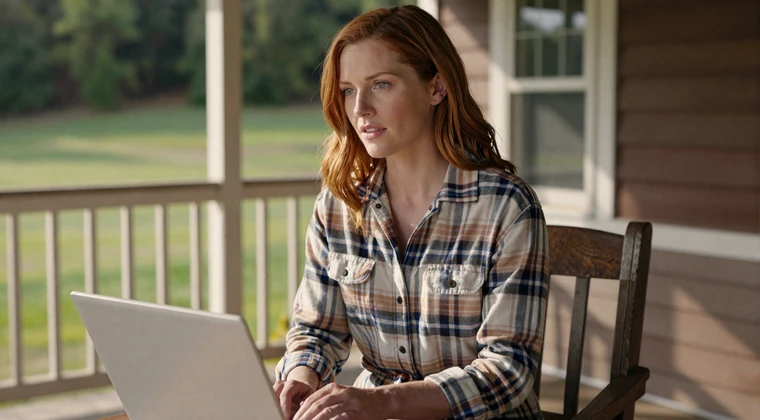
Why Online Dating Safety Matters More in Rural Areas
Online dating safety in rural communities requires extra attention because the stakes are different out here. When your nearest neighbor is two miles down the road and the closest police station is a 30-minute drive, basic precautions that city daters take for granted become critical. A 2025 Pew Research study found that 53% of rural Americans who use dating apps have encountered at least one suspicious profile - higher than the 41% national average. For farmers and ranchers using a farmer dating site, understanding these risks isn't optional. It's the foundation of a good experience.
Key Takeaways
- Never share your home address, farm location, or daily schedule with someone you haven't met in person
- Video chat before any in-person meeting - it eliminates most catfishing instantly
- Choose a public meeting spot midway between your locations for the first date
- Over 50% of fake profiles on dating platforms can be identified by reverse image searching their photos
The good news? Safe rural dating tips are straightforward to follow. Whether you're in Iowa or Montana, the principles remain the same: verify first, share carefully, and trust your gut. Let's break down the real risks and exactly how to handle them.
Real Risks of Online Dating in Small Towns
Rural dating carries unique vulnerabilities that mainstream safety guides rarely address. Geographic isolation means fewer witnesses, longer emergency response times, and a smaller dating pool that can make desperation cloud judgment. Here's what the research shows:
- Limited anonymity. In a town of 2,000 people, your dating profile might reach someone who knows your ex, your employer, or your family. Gossip travels faster than broadband in rural America - 68% of rural daters cite privacy concerns as their top worry (Singles in America, 2025).
- Extreme distances for meetups. Many rural matches require driving 50-150 miles for a first date. That isolation creates risk if something goes wrong - you're far from your support network.
- Scammers targeting isolation. Fraudsters specifically target rural profiles because they know lonely, hard-working farmers are less likely to have time verifying identities. Users on Match.com report that over 50% of profiles in some rural areas show signs of being fake (Match.com user reviews, 2025).
- Property vulnerability. Sharing that you own 200 acres with expensive equipment tells a bad actor exactly what's worth stealing - and how remote your location is.
Here's where it gets interesting: platforms with verification systems dramatically reduce these risks. On Simple Dimple Farm Match, every profile undergoes review before going live, which eliminates the worst offenders before you ever see them.
How to Spot Fake Profiles on Farmer Dating Sites
Fake profiles are the number-one complaint among rural online daters. FarmersOnly users have reported that unverified profiles with no screening processes create fertile ground for scammers. One reviewer paid for premium access only to discover obvious fakes among the profiles that had "liked" them. According to the FTC, romance scams cost Americans $1.3 billion in 2024 - and rural communities are disproportionately targeted.
Here's how to tell a real farmer from a fake one in about 30 seconds:
| Trait | Real Profile | Fake Profile |
|---|---|---|
| Photos | Candid shots with farm background, imperfect lighting | Studio-quality headshots, stock photo feel |
| Bio details | Specific crops, county name, local references | Vague "love the outdoors" with no specifics |
| Response timing | Delayed replies during work hours (they're farming) | Instant responses 24/7 regardless of time zone |
| Conversation | Asks specific questions about your area | Generic compliments, rushes to move off-platform |
| Video chat willingness | Happy to video call, even from the barn | Always has an excuse - bad signal, broken camera |
Source: FTC Romance Scam Report 2024, FarmersOnly user reviews 2025
The biggest red flag? They ask for money. No legitimate match will ever need you to wire cash, buy gift cards, or invest in their "business opportunity" - no matter how convincing the story. If someone you haven't met in person asks for financial help, report and block immediately.
First Date Safety When You're 100 Miles Apart
Meeting someone from an online platform for the first time requires planning - especially when that meeting involves a long drive through unfamiliar territory. According to TopConsumerReviews, conducting video chats before meeting in person and choosing public venues are the two most effective precautions. Here's your complete checklist:
- Video chat at least twice first. A 10-minute FaceTime or Zoom call confirms they look like their photos and sound like a real person. If they refuse video calling, that's your answer - move on.
- Meet in a public place at midpoint. Choose a diner, coffee shop, or county park that's roughly halfway between you. States like Texas and Nebraska have towns every 30-50 miles on major highways - pick one with at least a gas station and cell service.
- Tell someone your full plan. Share your date's name, phone number, where you'll be, and when you expect to return. Set a check-in time - and stick to it.
- Drive yourself. Never accept a ride to a first date. Your vehicle is your exit strategy. Keep it parked facing the road, keys accessible.
- Stay sober and aware. Save the drinks for date number three. You need full judgment when meeting a stranger miles from home.
- Meet during daylight. Schedule for lunch or afternoon coffee. Evening dates in unfamiliar rural areas add unnecessary risk to an already-long drive home.
"I drove 90 miles to meet my now-husband for the first time at a Cracker Barrel off I-70. My sister had his plate number, his profile link, and a check-in alarm set for 2 p.m. Seemed like overkill - until you realize that's exactly why it went perfectly." - Rural dater from Missouri, married 2024
Pro tip: Share your live location with a trusted friend through your phone's built-in feature (Find My iPhone or Google Maps location sharing). It runs in the background and requires zero effort during the date. Read more detailed guidance in our full safety tips page.
Protecting Your Personal Data on Dating Platforms
Your personal information is the first thing scammers target - and rural users often share more than they realize. FarmersD, a popular farming dating app, collects precise location data, search history, and contact information according to their App Store privacy disclosures. While that data serves platform functionality, it's a reminder to control what you volunteer beyond what's required.
What NOT to share in early conversations:
- Your exact farm address or GPS coordinates
- Daily schedule ("I leave for the barn at 5 a.m. and nobody's home until 7 p.m.")
- Financial details - land value, crop income, equipment purchases
- Social media accounts (until you've met in person)
- Full legal name (use your first name only until comfortable)
Platform privacy settings to check today:
- Disable location sharing in app permissions (use only when actively browsing)
- Opt out of data sharing with third parties where available
- Google yourself to see what's publicly visible - remove what you can
- Use a separate email address for dating profiles
- Enable two-factor authentication on every dating app you use
FarmersOnly states they never sell user data and profiles don't appear in Google search results - these are the minimum standards to look for. Platforms like Simple Dimple Farm Match also offer anonymous communication tools so you can message matches without revealing personal contact details until you're ready. For our full data handling policies, see our privacy policy.
Why does this matter? Consider this: a 2025 Norton study found that 1 in 4 online dating users has had personal information misused by someone they met on a platform. For farmers whose livelihood is physically tied to a known location, that risk multiplies.